


ESAN provides a master's degree that addresses the sector's problems with subjects that make up the specialized program, structured within the scope of activities in the energy sector, with emphasis on electricity, hydrocarbons and sustainability. Starts:Master in Energy Management (Hybrid)
We rank top on
the most prestigious listings.
Pillars
-
01.
MANAGEMENT APPROACH
The program generates a differential value for the participant, since it is the only master's degree program in the market focused on business management in the energy sector that combines the most relevant topics of regulation, economics and management for strengthening the organizations in the industry. -
02.
KNOWLEDGE OF THE DYNAMICS OF THE POWER SECTOR
The program provides specific knowledge of the practices, trends, and challenges faced by organizations in the sector. Through the economic and regulatory approach, participants understand the fundamentals that drive the industry, and that will mark its development at a global level in the coming years. -
03.
INTEGRATING VISION
It brings together participants from different professions and specialities who play different roles in the prominent organizations of the sector, which enriches the discussions, encourages the exchange of experiences and fosters professional debate. -
04.
GLOBAL TRENDS: IMPACT ON ECONOMIC AND BUSINESS DEVELOPMENT
The program revolves around the dynamics and trends of world markets and the prospects for developing global markets in the coming decades.
Internationalitation
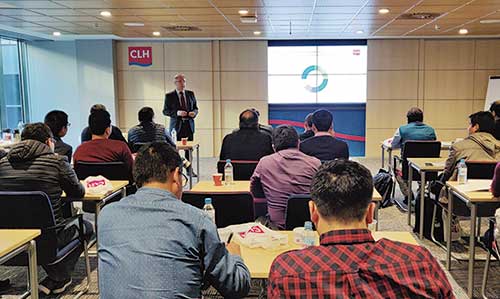
The master's degree has an International Stage in Spain and participation in the International Business Symposium organized by FUNSEAM.

Curricular Curriculum
The program is developed over four academic semesters focusing on four thematic axes, which provide comprehensive training for the technical and economic management of companies in the power sector.
THEMATIC AXIS
Economic and Regulatory Fundamentals
THEMATIC AXIS
Energy Markets
THEMATIC AXIS
Management
THEMATIC AXIS
The Future of Energy
- Energy Markets: Global and Local view.
- Quantitative Methods for Decision-making
- Microeconomic Fundamentals of the Energy Sector
- Strategic Thinking and Results Orientation
- Energy Law
- Organizational Management

- Economics of Regulation and Energy Market Tariff Models
- Financial Fundamentals and Applied Capital Costs
- Regulation of monopolistic Activities
- Competition and Regulation in the Production and Commercialization Businesses.
- Communication Strategies with Stakeholders
- National Energy Planning
- Project Management

- Environmental Regulation in the Energy Sector
- Innovation Management
- Corporate Social Responsibility
- Financial Evaluation of Projects for the Energy Sector
- Project Finance
- Applied Derivative Instruments
- International Stage
- Research Seminar I

- Energy Efficiency
- Design of Public-private Partnerships in Energy
- Energy Sustainability
- Specialization
- Hydrocarbon Sector Management (*)
- Energy Sustainability, Transition and Decarbonization (*)
- Research Seminar II

01. First Semester
- Energy Markets: Global and Local view.
- Quantitative Methods for Decision-making
- Microeconomic Fundamentals of the Energy Sector
- Strategic Thinking and Results Orientation
- Energy Law
- Organizational Management
02. Second Semester
- Economics of Regulation and Energy Market Tariff Models
- Financial Fundamentals and Applied Capital Costs
- Regulation of monopolistic Activities
- Competition and Regulation in the Production and Commercialization Businesses.
- Communication Strategies with Stakeholders
- National Energy Planning
- Project Management
03. Third Semester
- Environmental Regulation in the Energy Sector
- Innovation Management
- Corporate Social Responsibility
- Financial Evaluation of Projects for the Energy Sector
- Project Finance
- Applied Derivative Instruments
- International Stage
- Research Seminar I
04. Fourth Semester
- Energy Efficiency
- Design of Public-private Partnerships in Energy
- Energy Sustainability
- Specialization
- Hydrocarbon Sector Management (*)
- Energy Sustainability, Transition and Decarbonization (*)
- Research Seminar II
*The program offers three specialities. The student must choose one of them. Each specialization has six courses.
Note: Aligned with the ongoing improvements and updating of processes, the curricular structure is subject to change. Such changes will be previously approved by the University Council and communicated with due anticipation. Likewise, these will not imply any change in the prices already informed and contracted, payments for additional academic fees, changes or aggravations to the objective and quality of the program.
Specialities of the Master in Degree in Energy Management
- Economics of the Oil and Gas Business
- Natural Gas Market Design
- Liquid Hydrocarbon and Natural Gas Regulations
- Liquefied and Compressed Natural Gas Systems
- Hydrocarbon Market Monitoring
- Hydrocarbon Innovations and Trends

- Electricity Market Supervision
- Renewable Energy
- Smart Grids and Electricity Demand Management
- Electricity Sub-sector Regulations
- Electricity storage management
- Innovations and trends in electricity

- Circular Economy and Consumer Behaviour.
- Conceptual Models in Sustainability Management
- Integration of Renewable Energies into the Energy Matrix
- Environmental Management Systems
- Energy Observatory for Corporate Sustainability
- Business Models for Sustainable Projects

- Circular Economy and Consumer Behaviour.
- Conceptual Models in Sustainability Management
- Integration of Renewable Energies into the Energy Matrix
- Environmental Management Systems
- Energy Observatory for Corporate Sustainability
- Business Models for Sustainable Projects

 Gestión del Sector Hidrocarburos
- Economía del negocio del petróleo y gas
- Diseño del mercado del gas natural
- Normativa de los hidrocarburos líquidos y del gas natural
- Sistemas de gas natural licuado y comprimido
- Supervisión del mercado de hidrocarburos
- Innovaciones y tendencias en hidrocarburos
Gestión del Sector Eléctrico- Supervisión del mercado de electricidad
- Energías renovables
- Smart grids y gestión de la demanda eléctrica
- Normativa del subsector electricidad
- Gestión de almacenamiento de electricidad
- Innovaciones y tendencias en Electricidad
Sostenibilidad, Transición y Descarbonización Energética- Economía circular y comportamiento del consumidor
- Modelos conceptuales en la gestión de sostenibilidad
- Integración de energías renovables a la matriz energética
- Sistemas de gestión ambiental
- Observatorio energético para la Sostenibilidad Empresarial
- Modelos de negocio de proyectos sostenibles
Duration and Schedule

Starts


Duración
months, plus the thesis or research work period.

Schedule

Propaedeutic workshops, international courses, final exams, and class rescheduling have a different schedule than the set schedule.
Note: The program is subject to the completion of the group with the minimum number of duly enrolled participants. To date, and by the provisions of the National Superintendence of Higher Education (Sunedu, for its initials in Spanish), the reactivation of face-to-face academic activities is not yet authorized. Therefore, the master's degree classes may begin synchronously through the virtual e-learning platform and under the same schedule and frequency as the regular program. When health conditions permit -and the Central Government authorizes the resumption of face-to-face activities of the educational institutions- Universidad ESAN will issue an official communication on the resumption of its face-to-face classes. With these provisions, the institution seeks to guarantee the safety and health of its students, faculty, and administrative staff.
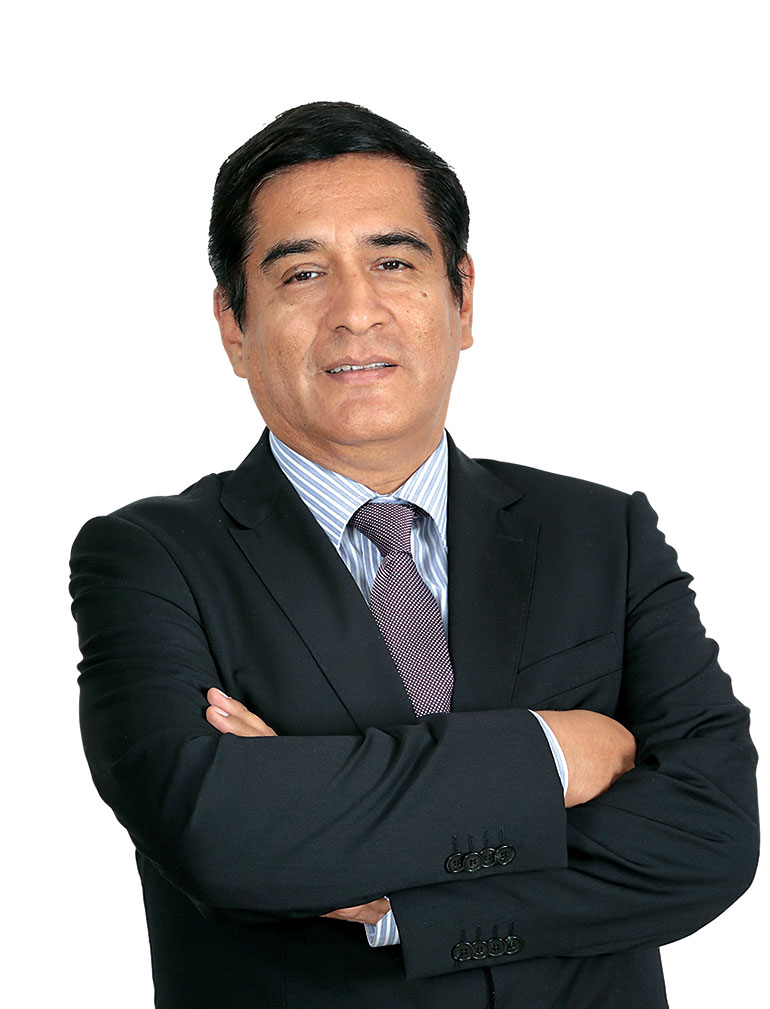
Edwin Quintanilla
Director of the Master's Program in Energy Management
A word from the Director
"The international focus of our program allows participants to have direct access to the most modern approaches that enable them to face the present and future conditions of the Energy Market. The current scenario of the country places us in a leading role in the preparation and adequacy of resources that allow the sustained growth of our economy. We invite you to be part of the group of leaders that manage development."
Meet our FacultyInvestment
Service exempted from the VAT (IGV, for its initials in Spanish) under literal g) of art. 2° of the TUO of the IGV Law, D.S. N° 055-99-EF.
Consult direct financing modalities and discounts with the Commercial Executive.
Upon enrollment, applicable discounts will be verified according to what is offered and the university current policies. Subsequent discounts will not be applied.